
In recent years, longevity has become more than just a wellness trend; it’s a long-term health goal. People today are not only interested in living longer but in maintaining vitality, mobility, and mental clarity as they age. One of the most powerful and research-backed strategies to support healthy aging is anti-inflammatory eating. Scientific evidence increasingly links chronic inflammation to aging and age-related diseases, making diet a cornerstone of longevity.
Understanding Inflammation and Aging
Inflammation is a natural and essential immune response. Acute inflammation helps the body heal injuries and fight infections. However, when inflammation becomes chronic, it can silently damage tissues and organs over time. This persistent low-grade inflammation, often called inflammaging, is associated with conditions such as cardiovascular disease, diabetes, arthritis, obesity, Alzheimer’s disease, and certain cancers.
Diet plays a central role in either triggering or reducing inflammation. Highly processed foods, excess sugar, refined carbohydrates, and unhealthy fats promote inflammatory responses, while whole, nutrient-rich foods help calm them.
What Is an Anti-Inflammatory Diet?
An anti-inflammatory diet focuses on whole, minimally processed foods that are rich in antioxidants, fiber, healthy fats, and bioactive compounds. Rather than being a restrictive plan, it is a sustainable eating pattern designed to support long-term health and longevity.
This approach closely resembles the Mediterranean diet, which has consistently been linked to longer lifespan, reduced inflammation, and lower risk of chronic diseases.
Key Anti-Inflammatory Foods for Longevity
Fruits and Vegetables
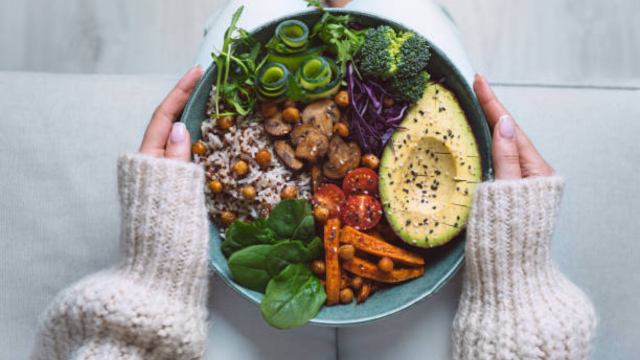
Colorful fruits and vegetables are packed with antioxidants that neutralize free radicals responsible for cellular damage. Berries, leafy greens, tomatoes, broccoli, bell peppers, and cruciferous vegetables are especially effective in reducing inflammation and supporting immune health.
Healthy Fats
Omega-3 fatty acids play a crucial role in lowering inflammatory markers in the body. Fatty fish such as salmon, sardines, and mackerel, along with plant-based sources like walnuts, flaxseeds, chia seeds, and extra virgin olive oil, support heart and brain health while promoting longevity.
Whole Grains
Whole grains such as quinoa, oats, brown rice, and whole wheat provide fiber and essential nutrients that help stabilize blood sugar levels and reduce inflammatory stress. Unlike refined grains, they support gut health and metabolic balance.
Lean and Plant-Based Proteins
Legumes, beans, lentils, tofu, nuts, seeds, eggs, and lean poultry offer high-quality protein without excessive saturated fat. Adequate protein intake is vital for maintaining muscle mass, bone strength, and functional independence as we age.
Herbs, Spices, and Functional Foods
Natural flavor enhancers like turmeric, ginger, garlic, cinnamon, and green tea contain powerful anti-inflammatory and antioxidant compounds. Including these regularly enhances both nutritional value and disease protection.
Foods That Increase Inflammation
For optimal longevity benefits, it is important to limit foods that promote inflammation, including sugary beverages and desserts; ultra-processed and fast foods, refined carbohydrates such as white bread and pastries; trans fats and excessive saturated fats, and processed and cured meats.
Reducing these foods can significantly improve metabolic health and reduce chronic disease risk over time.
How Anti-Inflammatory Eating Supports Longevity
Supports Heart Health
Chronic inflammation contributes to blood vessel damage and plaque buildup. Anti-inflammatory foods help reduce cholesterol levels, improve circulation, and lower the risk of heart disease, the leading cause of mortality worldwide.
Protects Brain Function
Inflammation plays a key role in cognitive decline and neurodegenerative disorders. Omega-3 fatty acids, antioxidants, and polyphenols help protect brain cells, supporting memory, focus, and long-term neurological health.
Improves Gut Health
A fibre-rich, anti-inflammatory diet nourishes beneficial gut bacteria, which regulate immune function, digestion, and inflammation. A healthy gut microbiome is now recognized as a major factor in healthy aging.
Slows Cellular Aging
Oxidative stress and inflammation accelerate cellular damage. Antioxidant-rich foods protect DNA integrity, reduce cellular wear and tear, and support healthier aging at a molecular level.
Practical Tips to Get Started
- Build meals around vegetables and whole foods
- Replace refined oils with extra virgin olive oil
- Eat fatty fish two to three times per week
- Add herbs and spices instead of excess salt
- Stay hydrated and limit sugary drinks
Small, consistent dietary changes are more effective and sustainable than extreme short-term diets.
Conclusion
The power of anti-inflammatory eating lies in its simplicity and long-term impact. By choosing foods that reduce inflammation, you are not just improving daily energy levels, you are actively supporting longevity, disease prevention, and overall quality of life. Over time, these mindful dietary choices help build resilience, vitality, and healthier aging.
Longevity is not achieved through quick fixes. It is cultivated through everyday nourishment, one balanced meal at a time.
Related Posts
Can a Plant-Based Diet Reduce Heart Disease, Cancer, and Kidney Problems?
In recent years, plant-based diets have surged in popularity, and for good reason. Emerging research suggests that eating more plant-based foods isn’t just a trend; it’s…

Intermittent Fasting: The Modern Lifestyle Trend Backed by Science
Healthy living has become a global priority as people seek sustainable ways to manage weight, improve metabolism, and enhance overall well-being. Among various nutritional strategies, intermittent…

Recovery Science – The Rise of Cold Plunges, Infrared Saunas, Compression Therapy, and Sleep Optimisation
In the world of modern wellness and fitness, the focus has shifted beyond intense workouts and nutrition plans. Today, recovery science is at the forefront of…